

09 Mar Custom Luxury Kitchen Design & Remodeling: Expert Solutions for Bespoke Kitchens
Custom Luxury Kitchen Design & Remodeling: Expert Solutions for Bespoke Kitchens
Discover custom luxury kitchen design and remodeling solutions with expert craftsmanship, bespoke layouts, and high-end finishes tailored to your home.
Custom luxury kitchen design and remodeling is a high-stakes art form that merges sophisticated engineering with deeply personal aesthetic expression. In the affluent enclaves of the Chicago North Shore, the kitchen has transitioned from a mere culinary workspace into the primary architectural statement of the home.
This comprehensive guide explores the multifaceted world of bespoke kitchen transformations, examining how high-end cabinetry, professional-grade layouts, and artisanal finishes redefine modern living. Readers will gain an expert-level understanding of material durability, smart technology integration, and the logistical precision required to execute a world-class renovation.
By the end of this article, you will be equipped with the strategic insights necessary to navigate a complex remodel, ensuring your investment results in a space that is as functionally superior as it is visually breathtaking.
Key Takeaways
- The “Invisible” Kitchen Trend: In 2026, luxury is defined by seamless integration where high-performance appliances are concealed behind handcrafted cabinetry panels to maintain a clean, furniture-like aesthetic.
- Smart Ecosystems: Modern luxury kitchens utilize centralized hubs that synchronize lighting, climate, and appliances, allowing homeowners to manage their culinary environment through voice commands or remote mobile interfaces.
- Precision Space Planning: Beyond the traditional work triangle, 2026 designs focus on “lifestyle stations” – dedicated zones for specialty coffee, professional baking, or high-volume entertaining that reduce cross-traffic.
- Sustainable Material Shift: Ethical luxury is a cornerstone of the current market, with a significant increase in the use of carbon-neutral porcelain slabs, reclaimed architectural timbers, and low-emission finishes.
- The Design-Build Advantage: Utilizing a unified team for both architectural design and construction prevents the common “communication gap” that often leads to budget overruns and timeline delays in complex renovations.
What Defines Custom Kitchen Cabinetry in Luxury Remodeling?
Custom kitchen cabinetry represents the pinnacle of residential storage, characterized by bench-made construction and a total absence of standardized modular limitations. Unlike stock or semi-custom options, true custom cabinetry is engineered to the fractional inch, allowing for a “zero-filler” installation that maximizes every cubic foot of available space in your renovations.
The hallmark of luxury cabinetry lies in its structural integrity; featuring 3/4-inch furniture-grade plywood carcasses, solid wood dovetail drawer boxes, and soft-close hardware rated for a lifetime of heavy use. This level of craftsmanship ensures that your kitchen maintains its alignment and beauty despite the environmental shifts common in the Chicago climate.
By opting for bespoke solutions, homeowners can specify unique features such as motorized upper cabinets that descend at a touch or specialized “appliance garages” with integrated power strips. These details do more than add convenience; they elevate the kitchen into a highly personalized tool tailored to the specific ergonomic needs of the household.
How Do Bespoke Cabinet Designs Enhance Kitchen Functionality?
Bespoke cabinet designs fundamentally change the user experience by eliminating the physical friction of daily tasks. In a luxury remodel, functionality is enhanced through specialized internal organizers, such as tiered cutlery dividers, deep-drawer peg systems for heavy cookware, and pull-out pantry towers that bring high-shelf items into easy reach.
The integration of internal LED lighting, triggered by motion sensors, ensures that even the deepest corners of the cabinetry are visible and usable at any time of day. This meticulous attention to the “interior architecture” of the kitchen ensures that the space remains organized and efficient, even during high-pressure entertaining scenarios.
Furthermore, bespoke designs allow for the seamless incorporation of specialized refrigeration units, such as under-counter wine reserves or integrated beverage centers. By distributing these elements throughout the cabinetry, the kitchen becomes a multi-functional hub that supports diverse activities from morning coffee rituals to late-night hosting.
Which Premium Materials Are Used for Luxury Kitchen Cabinets?
The selection of materials for luxury cabinetry is a critical decision that impacts both the tactile experience and the longevity of the installation. Hardwoods such as rift-sawn white oak, black walnut, and hard maple remain the preferred choices for their stability and timeless grain patterns. These woods are often finished with multi-step stains or hand-rubbed oils that highlight the natural character of the timber.
In 2026, we are seeing a surge in high-performance alternative materials, such as acrylic high-gloss panels and metallic-infused veneers, which offer a sleek, modern aesthetic. These surfaces are often paired with exotic accents, think brushed brass inlay or leather-wrapped handles, to create a layered, multi-textured environment that feels unique and curated.
Regardless of the aesthetic direction, the use of high-solid, water-based finishes is now the luxury standard. These finishes provide a durable, scratch-resistant barrier that is environmentally friendly and free from the harsh chemical odors associated with traditional lacquers, ensuring your interior design remains as healthy as it is beautiful.
How to Plan Gourmet Kitchen Layouts for Optimal Use and Style?
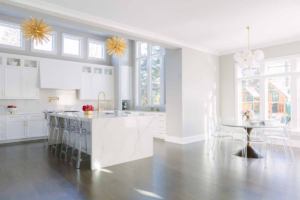
Planning a gourmet kitchen layout requires a shift in perspective from “utility” to “performance.” A professional-grade layout must facilitate a logical sequence of operations, from cold storage to prep, and from heat source to plating, without unnecessary steps or physical obstructions.
In a custom home, the layout is often dictated by the desire for social connectivity, leading to the “Open Concept” kitchen that flows into the Great Room. However, maintaining a sense of architectural definition is key to preventing the space from feeling cavernous. This is achieved through strategic placement of islands, ceiling treatments, and lighting “scenarios” that define individual zones within the larger footprint.
Effective layout planning also accounts for the “Secondary Kitchen” or “Scullery” trend. This adjacent space allows for the heavy lifting of meal preparation and cleanup to happen out of sight, leaving the primary kitchen as a pristine environment for social interaction and light cooking.
What Are the Key Elements of Effective Kitchen Space Planning?
The foundation of effective space planning is the “Zone Method,” which organizes the kitchen into distinct areas based on activity. A primary prep zone should feature an expansive countertop with immediate access to a trash pull-out and a secondary “prep sink.” This keeps the main sink free for heavy cleaning and prevents bottlenecks during multi-course meal preparation.
Storage planning is equally vital; items must be stored at the “point of use.” Spices, oils, and cooking utensils should reside in specialized pull-outs flanking the range, while glassware and dishware are best located near the dishwasher. This logical distribution of assets reduces the number of steps taken during a typical day, significantly lowering physical fatigue.
Finally, the “Social Zone” must be carefully integrated into the home additions or existing footprint. This usually involves an island with comfortable seating that is physically separated from the cooking surface by a safe distance, allowing guests to interact with the chef without entering the active workspace.
How Does Appliance Integration Influence Gourmet Kitchen Designs?
Appliance integration is the process of blending high-performance machines into the cabinetry to create a unified visual surface. In luxury design, the goal is to eliminate “visual clutter,” such as the large stainless steel faces of refrigerators and dishwashers, by using custom panels that match the surrounding cabinetry.
This integration allows the designer to treat the kitchen walls as architectural elements rather than just a backdrop for machinery. It also provides the flexibility to place appliances where they are most functional, such as installing a drawer-style microwave in an island or a steam oven at chest height within a wall of tall cabinets.
Smart appliance ecosystems take this integration a step further by connecting the machines to the home’s central nervous system. In a modern custom home builder project, your oven can be preheated remotely, and your refrigerator can alert you to low inventory on essential items, making the kitchen a proactive partner in your household management.
What Are the Best Luxury Kitchen Countertops and Finishes?
The choice of countertop material is perhaps the most significant tactile decision in a kitchen remodel. As the primary work surface, it must balance extreme durability with an aesthetic that complements the overall interior design scheme.
In recent years, there has been a notable move away from traditional granite toward more sophisticated natural stones and engineered surfaces. While marble remains the perennial favorite for its classic elegance, newer materials are providing homeowners with more resilient options that do not sacrifice the “luxury feel.”
The finish of the stone also plays a role in the kitchen’s ambiance. “Honed” or “leathered” finishes have gained popularity over high-polish surfaces, as they provide a softer, more organic look that hides fingerprints and minor imperfections more effectively.
Which High-End Materials Offer Durability and Elegance?
Quartzite has emerged as the premier choice for luxury kitchens in 2026. As a natural metamorphic rock, it possesses the crystalline beauty and veining of marble but offers the hardness and acid-resistance of granite. This makes it ideal for high-use areas where homeowners want the look of natural stone without the constant worry of etching from lemon juice or wine.
Sintered stone, such as Dekton or Neolith, is another high-performance material that is virtually indestructible. These slabs are created through extreme heat and pressure, resulting in a surface that is immune to heat, UV rays, and scratches. Because they can be manufactured in large, thin formats, they are perfect for creating sleek, modern “waterfall” islands and seamless backsplashes.
For those who prefer a warmer touch, “End-Grain” butcher block made from premium walnut or maple is often integrated into a section of the island. This provides a dedicated, professional-grade chopping surface that adds a layer of texture and warmth to the otherwise stone-heavy environment.
How Do Sustainable Materials Fit into Luxury Kitchen Remodeling?
Sustainability in luxury design is no longer a niche interest; it is a fundamental requirement for the modern homeowner. This is reflected in the selection of materials that are as kind to the planet as they are to the eye. Recycled glass and paper-composite countertops offer a unique, terrazzo-like aesthetic while diverting waste from landfills.
Reclaimed wood is frequently utilized for floating shelves, ceiling beams, or accent cabinetry. Sourced from historic Chicago-area structures, these timbers bring a sense of history and “soul” to a new construction or renovations project. The natural patina and weathering of reclaimed wood provide a contrast to the clean lines of modern cabinetry, creating a “transitional” look that is highly sought after.
Low-VOC (Volatile Organic Compound) adhesives and sealants are also standard in luxury builds. These products ensure that the indoor air quality of your home remains pristine, protecting your family from the “off-gassing” that often accompanies cheaper, mass-produced materials.
How to Choose and Integrate High-End Kitchen Appliances?
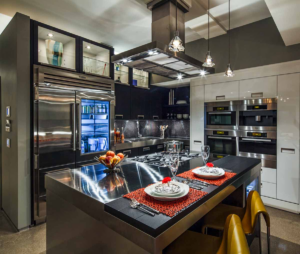
Selecting appliances for a luxury kitchen is akin to choosing a high-performance vehicle; it requires an understanding of the technical specifications and how they align with your “driving” style. The most successful kitchens utilize a mix of brands, selecting the “best-in-class” for each specific function.
For example, a homeowner might choose a Sub-Zero for its legendary food preservation technology, a Wolf range for its precise heat control, and a Miele dishwasher for its near-silent operation and specialized glassware cycles. This “curated” approach ensures that every aspect of the kitchen performs at an elite level.
In 2026, the integration of professional features into residential models has reached an all-time high. Steam ovens, vacuum-sealing drawers (for sous-vide cooking), and built-in blast chillers are no longer exclusive to commercial kitchens, allowing the home chef to explore advanced culinary techniques with ease.
What Are the Top Luxury Appliance Brands for Custom Kitchens?
When investing in a custom kitchen, the “Big Three” brands typically dominate the conversation due to their proven reliability and high resale value. Sub-Zero is the undisputed leader in refrigeration, utilizing dual compressors to keep the air in the freezer dry and the air in the refrigerator humid, extending the life of fresh produce significantly.
Wolf appliances are the gold standard for cooking, famous for their signature red knobs and patented dual-stacked burners that provide both high-heat searing and a delicate, consistent simmer. Their convection ovens utilize a “VertiFlow” system that ensures even heat distribution, which is essential for consistent results in baking and roasting.
Miele, the German powerhouse, is celebrated for its innovation in steam cooking and dishwashing. Their “Knock-to-Open” dishwashers and “MasterChef” oven programs, which offer guided cooking for hundreds of specific dishes, make them a favorite for tech-forward homeowners. These brands are often the focal point of a custom home builder specification because of their timeless design and superior engineering.
How Does Smart Technology Enhance Kitchen Appliance Functionality?
The smart kitchen of 2026 is an integrated ecosystem designed to reduce the “cognitive load” of managing a household. AI-powered refrigerators can now scan their contents and suggest recipes based on what is available, while also tracking expiration dates to minimize food waste. This data is synced to your mobile device, ensuring you never buy a duplicate item at the store.
Induction cooktops have also seen a massive technological leap. Modern units feature “Full-Surface” induction, which allows you to place a pan anywhere on the glass, and the cooktop automatically recognizes the size and shape of the vessel. Some systems even communicate directly with the vent hood, adjusting the fan speed based on the amount of steam or smoke detected at the cooking surface.
Voice-controlled interfaces, such as those integrated into smart faucets, allow you to request a precise measurement of water (e.g., “dispense two cups of 100-degree water”) without ever touching a handle. This level of touchless convenience is not just a novelty; it is a significant advancement in kitchen hygiene and efficiency.
Elevating the Culinary Heart of the Home
A custom luxury kitchen is a complex synthesis of architectural vision, artisan craftsmanship, and cutting-edge technology. It requires a design-build partner who understands how to balance these competing elements to create a space that is both a high-performance workshop and a sophisticated social sanctuary.
By focusing on the details, from the fractional-inch precision of the cabinetry to the molecular-level performance of the appliances, you ensure that your kitchen remains a timeless asset. Whether you are embarking on a full renovations project or planning a new custom home builder commission, the investment in a bespoke kitchen pays dividends in both daily enjoyment and long-term property value.
The journey toward a dream kitchen is one of collaboration and discovery. When the right materials, layout, and technology converge, the result is more than just a room; it is an environment that inspires creativity, fosters connection, and elevates the simple act of preparing a meal into an extraordinary experience.
Contact Amrami Design + Build today to explore our portfolio and discuss how our integrated team can bring your vision for a bespoke luxury kitchen to life.
Frequently Asked Questions (FAQ)
What is the typical timeline for a custom kitchen renovation?
A full luxury renovation usually spans 4 to 6 months. This timeline includes the “Pre-Construction” phase for design and permitting (roughly 8-12 weeks) followed by the active construction phase. Ordering custom cabinetry and specialized appliances often requires significant lead times, so early planning is essential to maintain the schedule.
Is induction cooking better than gas for a luxury kitchen?
While professional chefs have traditionally favored gas, high-end induction is now the preferred choice for many luxury homeowners. Induction offers faster heating, more precise temperature control, and a much cooler, easier-to-clean cooking surface. Additionally, it aligns with modern “Green Building” standards and eliminates the indoor air quality concerns associated with gas combustion.
What is a “Scullery” and do I need one?
A scullery, or “Prep Kitchen,” is a secondary space adjacent to the main kitchen designed for heavy cleaning and food prep. It typically houses a large sink, a second dishwasher, and pantry storage. If you entertain frequently, a scullery is a highly recommended addition as it allows the main kitchen to remain a clean, social environment for guests while the “messy work” stays hidden.
How do I choose between marble and quartzite countertops?
The choice depends on your lifestyle and tolerance for maintenance. Marble offers a classic, soft beauty but is porous and prone to staining and “etching” from acidic foods. Quartzite is a natural stone that provides a similar aesthetic but is significantly harder and more resistant to chemical damage, making it a more practical choice for a high-traffic family kitchen.

Thinking about building?
Bring your lot, your wish list, or just your questions. The first conversation is with the team that will design and build it, and it is free.
Sorry, the comment form is closed at this time.